How To Prevent Frozen Pipes in Utah
Utah winters can push temperatures well below freezing. Here’s what we’ve learned after years of emergency callouts — and how you can avoid the damage entirely.
To prevent frozen pipes in Utah, insulate exposed pipes in unheated spaces, keep your thermostat above 55°F even when away, let cold-side faucets drip on sub-20°F nights, open cabinet doors under sinks on exterior walls, and disconnect garden hoses before temperatures drop. These steps dramatically reduce your risk of a burst pipe this winter.
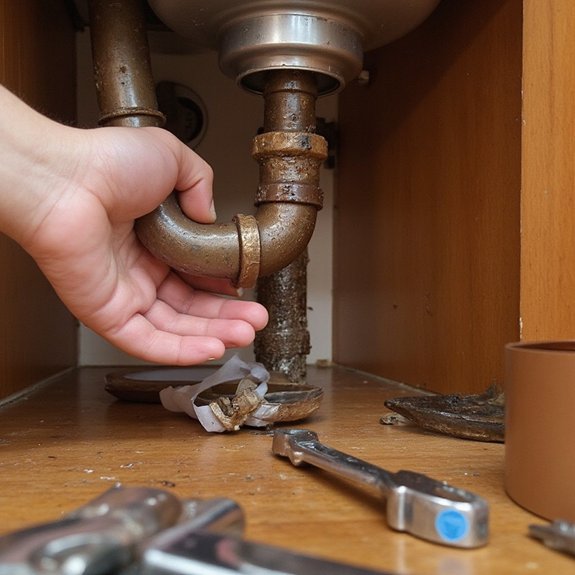
Proper pipe insulation is one of the best investments you can make before a Utah winter.
Why Frozen Pipes Are a Real Problem in Utah
Utah is known for cold snaps that arrive fast — sometimes dropping 30 degrees overnight. The Wasatch Front, including Sandy, Draper, and South Jordan, regularly sees temperatures in the single digits from December through February.
In our experience, homeowners are often caught off guard. They assume their insulation is enough, or they forget about a pipe running through an unheated garage. That’s usually when we get the emergency call.
According to the Insurance Information Institute, frozen pipe bursts are one of the most common and costly winter home insurance claims — averaging over $15,000 in damage per incident. The good news? Most of that damage is entirely preventable.
Where Pipes Are Most Likely To Freeze in Your Home
Not all pipes are created equal when it comes to freeze risk. Knowing where to look is half the battle.
Exterior Walls
Pipes running through exterior walls have minimal insulation between them and the cold outside. These are some of the highest-risk spots in any home.
Unheated Garages
Water supply lines running through garages are exposed to outdoor temperatures whenever the garage door opens — or even when it stays closed during extreme cold.
Under Sinks on Exterior Walls
Kitchen and bathroom cabinets against exterior walls trap cold air right where the supply lines are. Cabinet doors block heat from reaching the pipes.
Crawl Spaces & Attics
These areas often see the same temperatures as the outdoors. Any pipes running through them need proper insulation or heat tape.
Outdoor Hose Bibs
Hose bibs that aren’t properly winterized can allow a freeze to travel back into the supply line inside your home.
Vacation or Rarely Heated Homes
Homes left unoccupied with the heat turned way down — or off — are especially vulnerable. We see this frequently with rental properties and vacation homes.
Step-by-Step: How To Winterize Your Pipes
These are the exact steps we recommend to every homeowner in Sandy and the surrounding areas before temperatures drop:
- Disconnect and drain garden hoses. Leaving a hose attached traps water in the bib and supply line. Disconnect all hoses and store them inside before the first hard freeze.
- Shut off and drain outdoor water lines. If you have a separate shutoff for your exterior hose bibs, turn it off and open the bib to drain the residual water out.
- Insulate exposed pipes in unheated areas. Foam pipe insulation from the hardware store is cheap and easy to install. Cover pipes in crawl spaces, garages, and attics. Pay close attention to any pipe within 6 inches of an exterior surface.
- Add heat tape where needed. For pipes that are particularly at risk — especially in crawl spaces — self-regulating heat tape provides continuous warmth and turns on automatically when temperatures drop.
- Set your thermostat to a minimum of 55°F. Even if you’re leaving for vacation, keep the heat on. The cost of heating your home is far less than the cost of repairing a burst pipe.
- Open cabinet doors under sinks on exterior walls. This lets the warmer air in your home circulate around the pipes. It’s a simple trick that works.
- Seal air leaks near pipes. Cold air can blow in through gaps around pipe penetrations in exterior walls. Use caulk or spray foam to seal these gaps.
- Know where your main water shutoff is. If a pipe does freeze and then burst, being able to shut off the water fast can limit the damage significantly.
The night before a forecasted temperature drop below 20°F, let your cold-side faucets on exterior walls drip slowly overnight. Moving water is much harder to freeze than standing water. We’ve seen this simple habit prevent dozens of burst pipes over the years.
Pipe Insulation Options: What Works Best
There are several options when it comes to insulating your pipes. Here’s how they compare:
| Insulation Type | Best For | Cost (DIY) | Ease of Installation |
|---|---|---|---|
| Foam Pipe Sleeves | Standard pipe runs in unconditioned spaces | $0.50–$2/ft | Very Easy |
| Fiberglass Wrap | Irregular pipe shapes, high-temp areas | $1–$3/ft | Moderate |
| Self-Regulating Heat Tape | Crawl spaces, extreme cold areas | $30–$80 | Moderate |
| Pipe Heating Cable | Long runs in chronically cold areas | $40–$150 | Moderate |
| Spray Foam Sealant | Sealing air gaps near pipe penetrations | $8–$20 per can | Easy |
In our experience, a combination of foam pipe sleeves for most pipes and self-regulating heat tape for the truly vulnerable spots is the most cost-effective approach for Utah homeowners.
What To Do When You Leave for Vacation in Winter
We get this question every December. People are heading out of town for the holidays and want to know how low they can turn the thermostat. Our answer is always the same: don’t go below 55°F.
Beyond the thermostat, here are the steps we recommend before any winter trip:
- Have a neighbor check on the house every couple of days
- Shut off the main water supply if you’ll be gone longer than a week
- Drain the water system if you’re shutting off the supply
- Consider a smart thermostat that alerts you if the temperature drops unexpectedly
- Turn off your irrigation system and drain it completely
Even with the heat on, a power outage during a winter storm can cause temperatures inside your home to drop fast. A smart thermostat with mobile alerts or a temperature sensor with Wi-Fi monitoring can notify you if something goes wrong while you’re away.
Special Considerations for Sandy, Utah Homeowners
Sandy sits at roughly 4,500 feet elevation. That means winter temperatures here run colder than many people expect — and cold snaps from the mountains can arrive with very little warning.
Older homes in Sandy — especially those built in the 1960s through 1980s — often have minimal insulation around pipe runs and older materials that are more prone to cracking under freeze pressure. What we usually see in these homes are supply lines running through exterior walls with no insulation whatsoever.
If your home is older or you’ve never had your pipes inspected for winter readiness, it’s worth having a plumber take a look before the cold arrives. Our team offers winterization inspections throughout the Sandy area — we’ll identify your vulnerable spots before they become expensive emergencies.
Learn more about our frozen pipe repair and prevention services in Sandy, or visit our Sandy plumbing services page to see how we can help.
When Prevention Fails: Signs You Have a Frozen Pipe
Even with the best preparation, extreme cold can still catch a pipe. Here’s what to watch for:
- Little or no water coming from a faucet during cold weather
- Frost visible on exposed pipes
- Unusual banging or cracking sounds in the walls
- A strange odor from drains or faucets (caused by backed-up pressure)
- Visible bulging or cracking on an exposed pipe
If you notice any of these signs, act quickly. Turn off the water at the main shutoff and call a licensed plumber. The sooner you address a frozen pipe, the better the chance of avoiding a full burst and the water damage that comes with it. Read our full guide on signs a pipe may be frozen for more detail.
Frequently Asked Questions
At what temperature do pipes freeze in Utah?
Pipes can begin to freeze when outdoor temperatures drop to around 20°F (-6°C) or below — especially if the pipes are in uninsulated or poorly insulated areas. In Sandy, Utah, we often see freeze events during January and February when overnight lows dip into the single digits. Indoor pipes can also be at risk if your heating system fails or if the pipe runs through an unheated space.
How long does it take for pipes to freeze?
Under sustained temperatures of around 20°F, exposed or poorly insulated pipes can begin to freeze within 6–8 hours. With extreme cold (below 10°F), it can happen much faster — sometimes within 3–4 hours. Pipes in crawl spaces or garages with no insulation are at the highest risk of freezing quickly.
Should I insulate pipes inside my home?
Yes — specifically pipes that run through exterior walls, crawl spaces, garages, or unheated basements. Pipes in interior walls on interior partitions are generally fine. Focus your insulation efforts on the areas with the least ambient heat and the closest proximity to the outside.
Can I use heat tape on all types of pipes?
Self-regulating heat tape is safe for most common pipe materials including copper, PVC, and PEX. However, always check the manufacturer’s instructions for compatibility. Never overlap heat tape on itself, as this can create a fire hazard. A licensed plumber can install heat tape correctly if you’re unsure.
Who should I call if I have a frozen pipe in Sandy, Utah?
Call a licensed plumber right away. Attempting to thaw a frozen pipe yourself with improper methods can cause it to burst or create other damage. Our team at Top Shelf Plumbing Pros provides emergency frozen pipe services throughout Sandy and the surrounding areas. Visit our frozen pipe repair page or call us directly.
Worried About Frozen Pipes This Winter?
Our licensed plumbers serve Sandy, Draper, South Jordan, and the entire Wasatch Front. We offer winterization inspections, pipe insulation, and 24/7 emergency frozen pipe repair.