
Answer-Ready Summary
- Emergency plumbing repairs cannot wait when water is active, the source is hidden, or the failure can damage building materials.
- Waiting can turn a pipe, valve, toilet, water heater, or main line repair into a larger cleanup and restoration problem.
- Call for same day plumbing repair when the leak is spreading, the shutoff does not hold, or the plumbing cannot be used safely.
This guide is written for a homeowner deciding whether an urgent plumbing problem can wait until later. It uses the same urgent language people use when they search for help, including water heater leaking suddenly, water leaking through ceiling, main water line leak signs, and it also points toward high-intent searches such as same day plumbing repair, weekend plumber sandy utah, after hours plumber sandy ut.
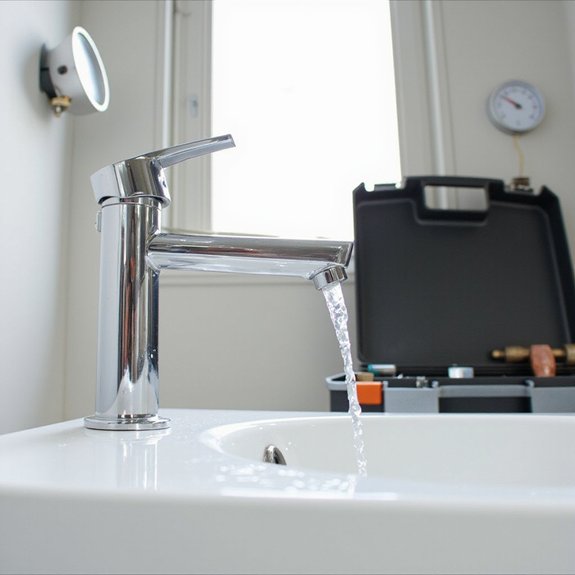
Water Damage Spreads Faster Than People Expect
Plumbing emergencies become expensive because water travels. It can move under flooring, behind baseboards, through ceiling cavities, and into rooms far from the original leak.
Water leaking through ceiling areas may already have touched insulation, framing, and drywall before it becomes visible. The stain is usually the last part of the path, not the first.
A water heater leaking suddenly can saturate the area around the unit and damage nearby walls or storage. If the heater sits in a closet, the damage can stay hidden at first.
Emergency repair is about stopping the source before the cleanup area grows. The sooner the water is controlled, the easier the recovery usually becomes.
Plumbing Failures Rarely Fix Themselves
A pipe split, failed valve, loose supply line, or cracked fitting does not usually improve with time. Pressure continues to push water through the weak point until something changes.
A toilet overflowing won’t stop because the fixture cannot drain or cannot stop refilling. Both problems need attention before the toilet can be used normally.
Main water line leak signs also deserve quick attention. A small underground leak can waste water, reduce pressure, and create soggy soil around the property.
If the issue seems to slow down, it may only be because pressure changed temporarily. That does not mean the plumbing is safe to ignore.
After Hours and Weekend Problems Still Need Action
Many plumbing emergencies happen outside normal business hours. Pipes fail at night, toilets overflow during family gatherings, and water heaters leak on weekends.
That is why searches for weekend plumber Sandy Utah and after hours plumber Sandy UT are so common. People need help when the problem happens, not only when the calendar is convenient.
If you can shut off the water, do it. Then call and explain what happened, what you shut off, where the water appeared, and whether any electrical areas are wet.
Good details help the plumber understand the urgency and bring the right repair approach.
The Cost of Waiting
Waiting can increase the affected area, increase cleanup needs, and make it harder to identify the original source. Wet materials can also hide moisture after the visible water is gone.
Fast repair can protect cabinets, flooring, ceiling drywall, baseboards, and finished basement spaces. It can also help restore normal water use sooner.
If you are comparing whether to call now or later, use active water as the deciding factor. Active water means the issue is still causing damage.
For general background about the trade that handles these repairs, an external overview of a plumber can be useful after the emergency is under control.
How To Explain the Problem When You Call
Clear details help the repair process start faster. Tell the plumber what you saw first, where the water is located, and whether the water is still active.
Mention whether you shut off a fixture valve or the main water valve. If you tried a shutoff and water continued, say that too.
Describe the room, floor level, nearby fixtures, and any recent changes. A leak below a bathroom is different from a leak near a water heater or outside wall.
If photos are safe to take, they can help later. Do not step into water or touch wet electrical areas just to get a picture.
What Not To Do During an Emergency
Do not keep using fixtures connected to a suspected leak. Running more water can make the affected area larger.
Do not cut into drywall, remove flooring, or take apart plumbing unless you know what you are doing. Opening the wrong area can create more damage without stopping the source.
Do not ignore a leak just because it slows down. Pressure changes, valve position, and fixture use can make leaks appear intermittent.
Do not rely on towels as the main solution. Towels help manage surface water, but the source still needs to be repaired.
How Emergency Plumbing Protects the Home
The repair is only part of the emergency response. A plumber also helps identify the source, confirm the right shutoff, and check whether nearby parts are likely to fail.
This matters because a visible leak may involve more than one issue. A failed supply line can point to old valves, high pressure, or worn connections.
Emergency service also helps restore normal use. When the main water valve is off, the entire home is affected until the repair is complete.
Fast help gives you a clearer plan. Instead of guessing, you know what failed, what was repaired, and what to watch afterward.
Room-by-Room Checks After the Water Is Off
Once the water is shut off, walk the nearby rooms if it is safe. Look at ceilings, baseboards, flooring edges, cabinet bottoms, and closets that share a wall with the leak.
In a bathroom, check around the toilet base, under the vanity, behind the tub access panel if there is one, and below the room if the bathroom is upstairs.
In a kitchen, check under the sink, around the dishwasher, near the refrigerator water line, and along the flooring where water may run under cabinets.
In a basement or utility room, check around the water heater, exposed pipes, floor drains, foundation walls, and any storage sitting directly on the floor.
Do not tear into materials during this check. The goal is to understand where water traveled so you can describe the situation clearly when help arrives.
Why Documentation Helps the Repair
If the area is safe, take a few photos or a short video before cleanup begins. Capture the leak source if visible, the wet area, and any shutoff valve you used.
Write down the time you first noticed the problem and the time you shut off water. These details help explain how long materials may have been exposed.
If the leak appeared after using a specific fixture, mention that. A shower, washing machine, dishwasher, toilet, or hose bib can each point toward a different cause.
If the leak happened during freezing weather, after heavy use, or after a previous repair, mention that too. Context helps narrow the diagnosis.
Good documentation does not replace professional inspection, but it keeps important details from being forgotten during a stressful moment.
How To Reduce Repeat Emergencies
After the urgent repair is complete, ask what likely caused the failure. Age, corrosion, loose connections, high pressure, freezing, and worn valves can all contribute.
Learn where the main shutoff is and make sure it can be operated. A shutoff that is hidden, stuck, or blocked by storage is a problem during the next emergency.
Consider checking exposed supply lines, toilet valves, water heater connections, and visible piping a few times a year. Small changes are easier to handle before they become active leaks.
If water pressure is high, it can stress fixtures and supply lines. A plumber can check pressure and explain whether pressure control is part of the solution.
Prevention is not about worrying every day. It is about knowing the weak points, keeping shutoffs accessible, and responding early when something changes.
What Happens After the Emergency Repair
After the source is repaired, the next step is making sure the plumbing can be used safely again. The plumber may restore water slowly while checking the repaired area.
Watch the repaired area for a little while after service. Some leaks only show when pressure returns or when a fixture is used again.
If drywall, flooring, or cabinets were wet, drying may still be needed after the plumbing repair. Plumbing work stops the source, while cleanup handles affected materials.
Keep the repair information in a place you can find later. If another symptom appears, the history helps connect the dots.
A good emergency response leaves you with more than a stopped leak. It leaves you knowing what failed, what was fixed, and what warning signs should be watched.
When the Problem Seems To Stop
Sometimes a leak slows down after a valve is moved, a fixture is not used, or water pressure changes. That pause can feel reassuring, but it does not prove the plumbing is fixed.
A ceiling stain may stop dripping because the water found a new path. A toilet may stop rising because the tank finished filling. A pipe may stop spraying because the main valve is partly closed.
Treat a stopped leak as a chance to get ahead of the problem, not as permission to forget about it. The failed part still needs to be identified.
Before using the fixture again, make sure the source has been repaired or checked. Turning water back on too soon can restart the same emergency.
How To Talk With Everyone in the Home
During a plumbing emergency, one person should focus on the shutoff while another keeps people away from wet or unsafe areas. Simple roles prevent confusion.
Tell everyone not to flush toilets, run sinks, start laundry, or use the dishwasher until the source is known. Extra water use can make diagnosis harder.
If children or guests are present, keep them away from buckets, wet floors, and utility areas. The emergency is easier to manage when traffic through the damaged area is limited.
After the repair, show household members where the main shutoff is. That small lesson can save valuable minutes during the next leak.
Local Help for Sandy and Nearby Areas
Plumbing emergencies are local by nature. The faster a plumber can reach the property, the sooner the source can be diagnosed and repaired.
Top Shelf Plumbing Pros serves Sandy and nearby communities, including Cottonwood Heights, Midvale, West Jordan, Bluffdale, Riverton, South Jordan, White City, and Draper.
For company information, keep the Top Shelf Plumbing Pros number handy before an emergency happens so you do not have to search while water is spreading.
If you are in Sandy and the problem is active, call rather than waiting for the issue to become more obvious.
Service Area Map
This map is included to help Sandy-area homeowners connect the emergency guidance with the local plumbing company location and service area.
Emergency Plumbing FAQ
Should I shut off water before calling a plumber?
Yes. If water is active and you can reach the shutoff safely, turn it off first. Then call and explain what happened so the repair can be planned quickly.
Is a small leak still urgent?
A small leak can be urgent when it is inside a wall, ceiling, cabinet, or utility area. Hidden water often spreads before the visible damage looks serious.
Can I wait until morning if the water is off?
If the main water is off and the area is safe, the immediate damage may be slowed, but the repair still needs attention before normal water use resumes.
What should I avoid during a plumbing emergency?
Avoid using affected fixtures, avoid wet electrical areas, avoid forcing stuck valves, and avoid opening walls unless a qualified person tells you to do so.
Final Takeaway
Plumbing emergencies are stressful because they combine time pressure, water damage risk, and uncertainty about the source. The best response is simple: protect people, stop the water if safe, document what you see, and get help before the affected area grows.
Useful resources: visit the Top Shelf Plumbing Pros home page, review the 24/7 emergency plumber in Sandy service page, or read this external overview of a plumber for broad background after the urgent problem is under control.