Quick Answer: Tank water heaters cost less upfront and work well for most households. Tankless water heaters cost more to install but deliver hot water on demand, last longer, and can lower your energy bills over time. In our experience, the right choice depends on your household size, budget, and how long you plan to stay in your home.
At Top Shelf Plumbing Pros, this is one of the most common questions we get from homeowners in Sandy, Utah. And honestly, there’s no one-size-fits-all answer. Both types have real advantages — and real drawbacks. What we’ve seen is that most people don’t have enough information to make the call that’s actually right for their home.
This guide is going to break it all down for you in plain language. No fluff, no sales pitch — just what we’ve learned from years of installing and servicing both types across Sandy and the surrounding areas.
How Tank Water Heaters Work
A traditional tank water heater stores a large amount of water — usually 40 to 80 gallons — and keeps it heated around the clock. When you turn on your hot water tap, preheated water flows out of the tank and cold water enters to replace it.
The major advantage here is simplicity. These units are straightforward to install, easy to repair, and relatively affordable. They’ve been the standard in American homes for decades, and most plumbers know them inside and out.
The downside is that they’re constantly heating water — even at 2am when no one’s using it. That constant energy use is called standby heat loss, and it adds up on your energy bill over time.
How Tankless Water Heaters Work
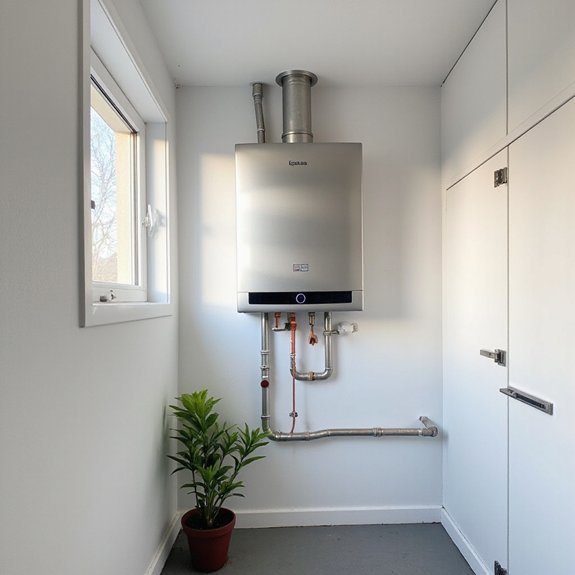
A tankless water heater — sometimes called an on-demand water heater — heats water only when you need it. When you turn on the hot tap, cold water travels through the unit, gets heated by a powerful burner or heating element, and comes out hot. No storage tank required.
This means you’re never heating water you’re not using. That efficiency is the main reason so many homeowners in Sandy are making the switch. We’ve installed quite a few of these units and the energy savings our customers report are real — typically 20 to 30 percent on water heating costs.
The tradeoff is a higher upfront cost and more complex installation. Some homes also need electrical or gas line upgrades to support a tankless unit, which adds to the total cost.
Side-by-Side Comparison
| Feature | Tank Water Heater | Tankless Water Heater |
|---|---|---|
| Upfront cost | $300–$700 (unit only) | $500–$1,500+ (unit only) |
| Installation cost | $300–$600 | $500–$1,500+ |
| Average lifespan | 8–12 years | 15–25 years |
| Energy efficiency | Lower (standby heat loss) | Higher (heats on demand) |
| Hot water supply | Limited by tank size | Unlimited (flow rate limited) |
| Space required | Large (tank takes up space) | Small (wall-mounted) |
| Maintenance | Annual flushing recommended | Annual descaling recommended |
| Best for | Smaller budgets, larger families | Long-term savings, smaller households |
What We’ve Seen in Sandy, Utah
From our real experience working in this area, a few things stand out. First, Sandy has hard water. Hard water contains higher levels of calcium and magnesium, and these minerals are tough on water heaters — both tank and tankless. Tankless units in particular need more frequent descaling in hard water areas.
Second, many older homes in Sandy weren’t built with tankless units in mind. Some of our customers have needed gas line upgrades or electrical panel work before we could install a tankless unit. It’s not a dealbreaker, but it’s a real cost to factor in.
Third — and this is something our customers notice — a tankless unit won’t run out of hot water. That’s a huge deal for families with multiple people showering in the morning or homes with large soaking tubs. We’ve had customers tell us it completely changed their morning routine.
The Cost Breakdown Over Time
This is where things get interesting. A tank water heater is cheaper upfront, but it costs more to operate and needs to be replaced more often. A tankless unit has higher upfront costs but lasts much longer and uses less energy. Over 20 years, the numbers often favor tankless.
| Cost Factor | Tank (20-Year Estimate) | Tankless (20-Year Estimate) |
|---|---|---|
| Units purchased | 2 (replaced ~every 10 years) | 1 (lasts 15–20+ years) |
| Total unit + install cost | $2,000–$3,200 | $2,000–$3,000 |
| Annual energy cost (avg.) | $400–$600/year | $280–$420/year |
| 20-year energy cost | $8,000–$12,000 | $5,600–$8,400 |
| Estimated 20-year total | $10,000–$15,200 | $7,600–$11,400 |
These are estimates based on average usage and energy rates, but the trend is clear. If you’re planning to stay in your home for more than 7 to 10 years, a tankless unit often makes more financial sense over the long run.
Pros of Tank Water Heaters
We don’t want to oversell tankless. Traditional tank water heaters are still a great option for many households. Here’s what they do well:
- Lower upfront cost. If budget is the main concern right now, a tank unit is the more affordable choice by a significant margin.
- Works well for high simultaneous demand. A large tank can supply multiple showers, the dishwasher, and the laundry at the same time — though it will eventually run out.
- Simpler to repair. Parts are widely available and most plumbers are very familiar with tank systems.
- No flow rate limitations. Tankless units can struggle if multiple hot water demands happen at once. A large tank doesn’t have that issue.
Pros of Tankless Water Heaters
Here’s where tankless really shines:
- Endless hot water. You’ll never run out as long as you don’t exceed the unit’s flow rate capacity.
- Energy savings. No standby heat loss means lower monthly bills. Our customers consistently report 20 to 30 percent reductions in water heating costs.
- Longer lifespan. A well-maintained tankless unit can last 20 years or more, compared to 10 to 12 for a traditional tank.
- Space savings. Tankless units mount on the wall and free up valuable floor space in your utility room or garage.
What About Hot Water Running Out?
If you’re dealing with hot water running out before everyone’s finished showering, it’s worth understanding why. It might be your tank size, your water heater’s age, or a component that needs repair. For a deeper look at this specific issue, check out our post on Why Your Hot Water Runs Out Too Fast.
Is Your Current Water Heater Showing Warning Signs?
Before you decide between tank and tankless, it’s worth asking whether your current unit is actually failing. Strange noises, rusty water, leaks, and age are all signs it’s time to replace. Read our full guide on Signs Your Water Heater Is About To Fail to find out if you’re already overdue for a replacement.
How Long Will Your New Water Heater Last?
Lifespan is one of the biggest factors in the tank vs tankless decision. Utah’s hard water can shorten the life of both types if they’re not properly maintained. For a full breakdown by water heater type and what you can do to extend the life of your unit, see our post on How Long Do Water Heaters Last in Utah.
Our Honest Recommendation
If someone asks us what we’d put in our own home, the answer depends on the situation. For a rental property or a tight budget replacement, a quality tank water heater makes perfect sense. For a primary home where you plan to stay long-term, we lean toward tankless — the energy savings, the longer life, and the endless hot water are hard to argue with.
What we’ve found is that the best decision comes from having an honest conversation about your specific situation. How many people live in the home? What’s the size of your gas line? How long are you staying? These questions matter.
Our team at Water Heater Repair & Installation in Sandy is happy to walk you through the options and give you a straight answer — not a sales pitch. We work with a licensed plumber on every job, so you know the installation is done right.
What to Ask Before You Decide
Before committing to either option, ask yourself these questions:
- How old is my current water heater and why am I replacing it?
- How many people live in my home and what are our peak hot water hours?
- Do I have the gas line or electrical capacity for a tankless unit?
- How long do I plan to stay in this home?
- What’s my total budget — not just for the unit, but for installation?
If you want help thinking through those questions, our team at Top Shelf Plumbing Pros in Sandy is always available for a free consultation. We’re local, we know the area, and we’ll tell you exactly what we’d do if it were our own home.
Frequently Asked Questions
Is a tankless water heater worth it?
For most homeowners who plan to stay in their home for 7 or more years, yes. The energy savings and longer lifespan typically outweigh the higher upfront cost. But it depends on your specific situation.
What are the downsides of tankless water heaters?
Higher upfront cost, more complex installation, potential need for gas or electrical upgrades, and more frequent maintenance in hard water areas like Sandy, UT.
Can a tankless water heater supply my whole house?
Yes, but the unit needs to be sized correctly for your home’s demand. If multiple hot water sources are running at once, you may need a larger unit or two units working in tandem.
How often does a tankless water heater need maintenance?
In Sandy and other hard water areas, we recommend annual descaling and inspection. This keeps the unit running efficiently and extends its lifespan significantly.